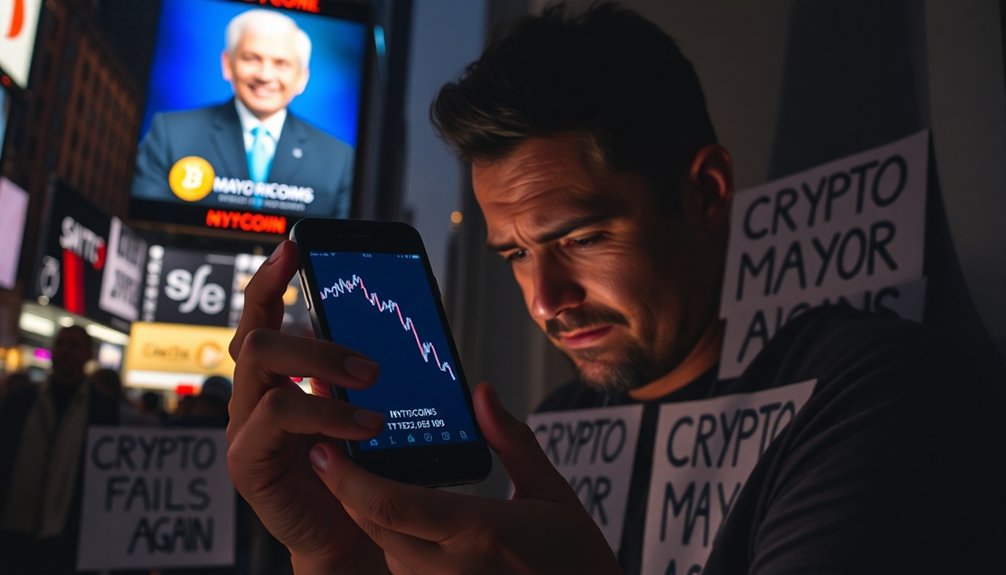

Changpeng Zhao, better known as CZ, isn’t mincing words about the rampant meme-coin scams plaguing the crypto world. The Binance founder sounded the alarm after observing a massive wave of fraudulent activity targeting crypto enthusiasts through hijacked social media accounts. Even BNB Chain‘s official Twitter (now X) account, followed by nearly 4 million users, fell victim to hackers promoting fake tokens. Talk about a digital dumpster fire.
CZ sounds the alarm as scammers hijack high-profile accounts, turning crypto Twitter into a carnival of digital deception.
These scammers aren’t exactly rocket scientists, but they’re effective. They create near-identical domain names, often differing by just one sneaky character. They push phishing links disguised as innocent Wallet Connect prompts. Connect your wallet, kiss your crypto goodbye. Experts recommend implementing robust internal controls to enhance security when interacting with cryptocurrency platforms. The notorious Inferno Drainer group, lurking in the shadows since 2022, stands accused of crafting these wallet-draining phishing templates. Their favorite bait? Fake airdrops across BNB Chain, Solana, and Ethereum.
The market impact was brutal. Meme coins plummeted 60-95% after CZ’s warnings and the BNB Chain hack. Panic selling. Liquidity vanishing. Support levels crashing through the floor. The crypto market hemorrhaged a staggering $28 billion in just 48 hours. Not exactly small change.
Binance didn’t sit idle. Their security team collaborated with X to suspend compromised accounts and nuke phishing domains from orbit. CZ emphasized the importance of SAFU principles when connecting wallets, especially with verified accounts that might be compromised. CZ and co-founder Yi He hammered home one message: official Binance and BNB Chain accounts never endorse specific tokens, especially meme coins. Period.
The root problem? Social media’s laughable security. Verified accounts of politicians, luxury brands, and crypto influencers are being snatched and weaponized. Their blue checkmarks lend credibility to scams that spread like wildfire. These meme-coin frauds have gained tremendous traction by exploiting the speculative nature of these tokens and their viral marketing potential.
The hackers’ playbook is simple but devastating: hijack trusted accounts, post fake smart contracts, announce bogus airdrops, and watch victims line up to be fleeced. It’s working. And until social platforms beef up security, CZ’s warnings will continue falling on too many deaf ears.