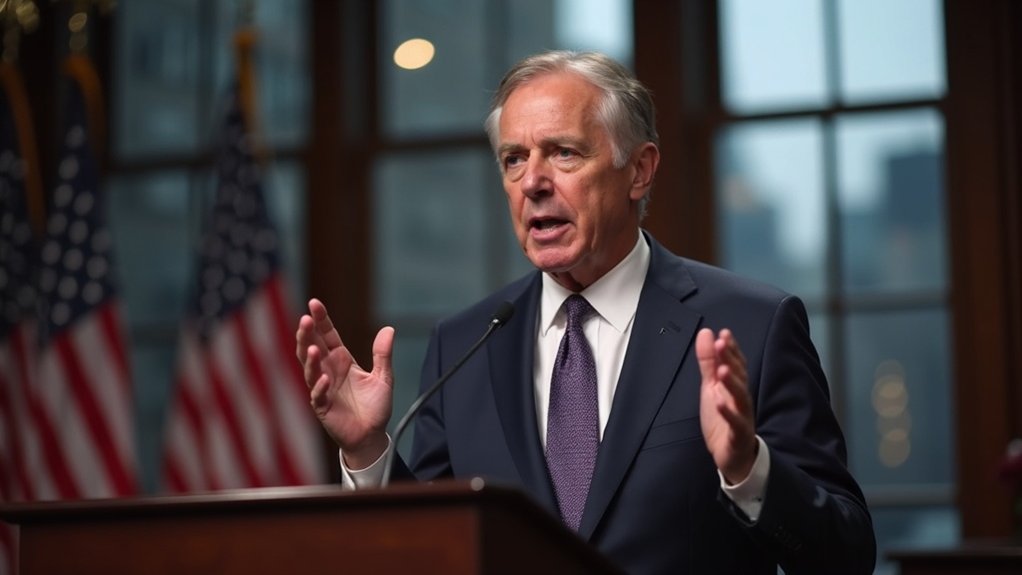

While federal employees find themselves in limbo during the government shutdown, SEC Chair Paul Atkins wants everyone to know the market cops are still on patrol.
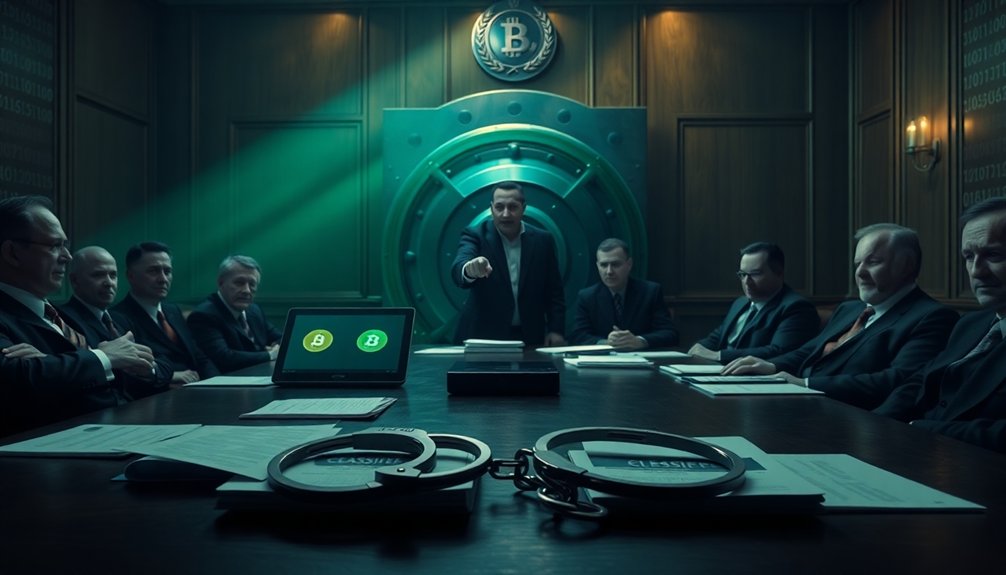
Despite severe staffing limitations, the SEC hasn’t abandoned its essential duty of watching for fishy trading behavior. Market manipulation detection systems? Still running. Surveillance technology? Still humming along. The message is crystal clear – try some “hanky-panky” in the markets during this shutdown, and you’ll still get caught.
Market cops remain vigilant through the shutdown. Attempt any market shenanigans and you’ll face consequences, staffing crisis or not.
The shutdown has created real headaches, though. New filings are frozen in bureaucratic purgatory. Crypto ETFs? Waiting. Innovative financial products? Join the line. It’s like the SEC has a big “NOT ACCEPTING NEW BUSINESS” sign hanging on its door.
Companies with IPOs already through review can still go public, but newcomers are out of luck. Thanks, government gridlock.
Atkins has been particularly vocal about the agency’s focus on suspicious price movements without news catalysts. Several foreign Nasdaq-listed companies have already faced trading halts after exhibiting bizarre price surges.
The SEC’s analytics tools continue working alongside exchanges to catch these “ramp and dump” schemes, shutdown or not.
Legally, the SEC is in a bind. The Anti-Deficiency Act basically says government workers can’t work without getting paid – except for critical functions like enforcement.
So while the agency can still chase bad guys, it can’t process much else. Atkins envisions the SEC evolving into a “Securities and Innovation Commission” to better accommodate emerging technologies while maintaining market integrity. Market participants waiting for approvals are feeling the pain.
What’s particularly interesting is the shift in crypto regulation under Atkins. Once the shutdown ends, his pro-innovation stance promises faster approvals and clearer frameworks for blockchain technologies. Atkins has introduced internal project management systems designed specifically to accelerate the approval process for new crypto products.
The previous enforcement-heavy approach is being replaced with something potentially more supportive of crypto adoption.
Investors seeking to participate in the crypto market during this regulatory transition should consider portfolio diversification as a key strategy to mitigate the inherent volatility risks.
Bottom line? The markets remain under watch during the shutdown. Bad actors, beware. Everyone else? Get comfortable waiting. Government efficiency at its finest.