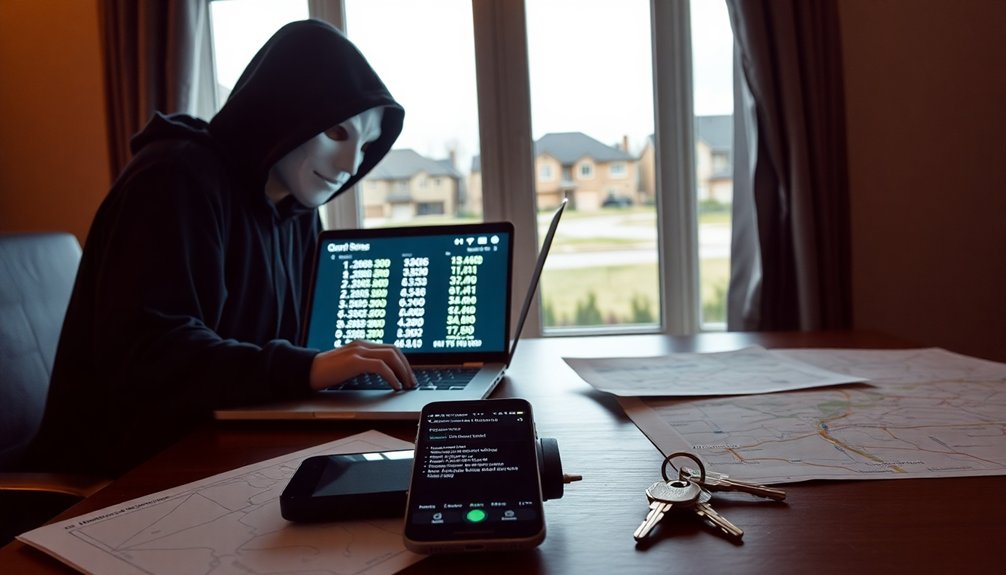
Hackers lurk in the shadows of the crypto ecosystem, ready to pounce on unsuspecting users. They’re getting smarter too. No longer content with just digital theft, criminals have discovered the holy grail of crypto scams: connecting your wallet address to your physical location. Yeah, you read that right.
Over $83 million has already disappeared through address poisoning attacks. Scammers send tiny transactions from addresses that look almost identical to legitimate ones. One digit off. Easy to miss. Then you copy the wrong address for your next big transfer. Boom. Money gone.
Address poisoning attacks aren’t rocket science. Just one miscopied digit sends your life savings straight into a scammer’s pocket.
But here’s the terrifying part: the overlap between digital and physical worlds is creating new dangers. Violent gangs are now targeting crypto holders in their homes. Reusing wallet addresses or oversharing personal information online makes you a sitting duck. Even worse, your family becomes collateral damage – targets for leverage or direct access to your funds. Using hardware wallets for transaction verification significantly reduces your vulnerability to these combined digital-physical threats. The surge in crypto-related kidnappings and violent crimes in 2025 has forced individuals to reassess their operational security and privacy practices. Implementing tiered stop-loss orders can protect investors from catastrophic financial losses during security breaches.
The numbers don’t lie. By mid-2025, criminals had already stolen $2.17 billion from cryptocurrency platforms, surpassing all of 2024. Personal wallet compromises now account for 23.35% of stolen funds. That’s a massive jump.
These aren’t just random attacks. They’re calculated. Criminals watch for signals – intentional or not – that you’ve got digital assets worth stealing. And when Bitcoin prices spike? So do “wrench attacks” – the charming industry term for someone threatening you with physical violence until you transfer your crypto.
Even crypto ATMs have become hunting grounds, with complaints nearly doubling between 2023 and 2024. Elderly victims lost nearly $250 million. Not exactly the financial revolution everyone promised.
The FBI and cybersecurity firms are desperately pushing for better regulations and preventive measures. Meanwhile, savvy users rotate addresses and employ hardware wallets. Others use multisignature setups.
Still think blockchain anonymity will protect you? Think again. In this brave new world, your crypto address might just be the breadcrumb trail leading straight to your front door.



