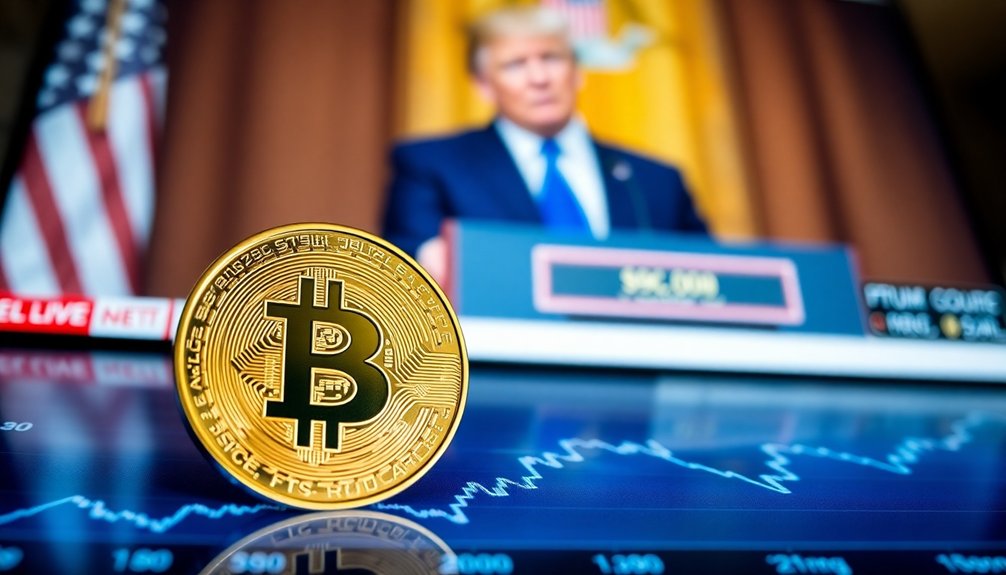

Kevin Warsh’s nomination as Federal Reserve Chair hit crypto markets like a freight train. Trump tapped the hawkish economist in early February 2026 to replace Jerome Powell, and the reaction was immediate. Bitcoin dropped roughly 7% in a single day. Ethereum got it worse, falling more than 10%. Total market cap evaporated by over $800 billion in one trading session. Nearly $1 billion fled Bitcoin ETFs in less than 24 hours. Markets were not impressed.
Warsh has never been shy about his views. He opposes quantitative easing, thinks the Fed’s bloated balance sheet distorts the economy, and has consistently argued that asset prices get artificially inflated by loose monetary policy. So naturally, crypto investors panicked. Makes sense when the incoming Fed chief basically sees cheap money as the enemy.
Warsh sees cheap money as the enemy — and crypto investors got the message loud and clear.
Here’s the ironic twist though. Warsh actually called Bitcoin a “good policeman” during a 2025 Hoover Institution discussion. His argument is that Bitcoin price swings expose when the Fed mismanages the economy or ignores inflation signals. Complimentary, sure. But not exactly a green light to buy. Warsh has also described Bitcoin as the new gold for people under 40, signaling a generational shift in how hard assets are perceived.
The macro picture explains a lot of the anxiety. Inflation topped 4% through May 2026, with CPI hitting 4.2% as energy prices squeezed households. The new FOMC under Warsh voted unanimously to hold rates steady between 3.5% and 3.75%. Bitcoin’s appeal as a store of value is further reinforced by its fixed supply cap of 21 million coins, which stands in stark contrast to the inflationary pressures currently gripping traditional markets.
Meanwhile, market odds for a rate hike by December 2026 sit at 79%. Polymarket put the odds of no rate cut at Warsh’s first FOMC meeting at 97%. The hot PPI report pushed rate hike bets to around 39% almost overnight. The Trump administration, which once loudly demanded rate cuts, went noticeably quiet after inflation blew past 4%.
Bitcoin is currently hovering around $80,169, testing resistance near its 200-day moving average zone around $82,000. Network economist Timothy Peterson puts historical odds at 77% that Bitcoin reaches new all-time highs within a year from this point. Base forecasts place BTC in a $78K to $85K range through June 2026. Not exactly thrilling, but not catastrophic either.
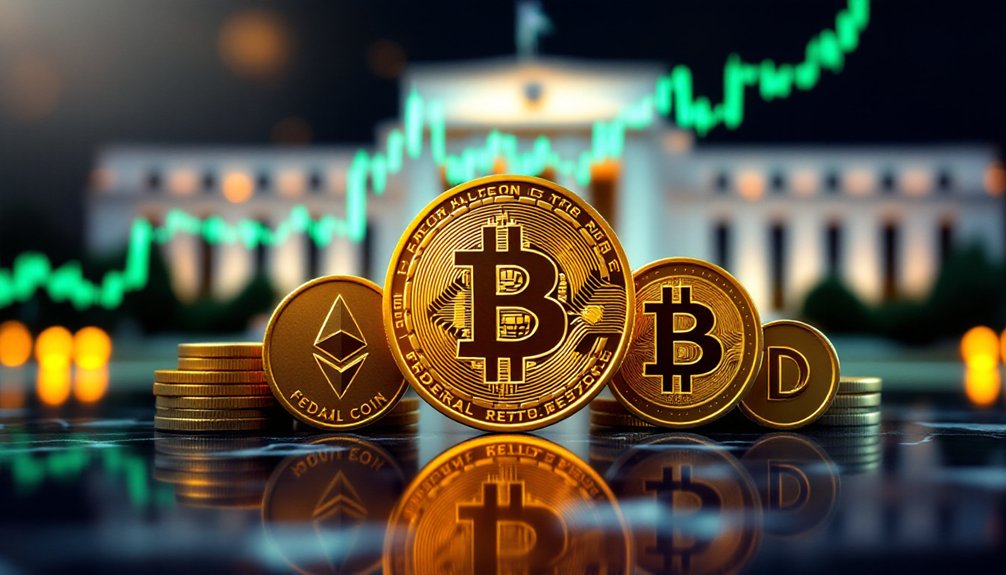
Ethereum, XRP, and Dogecoin followed Bitcoin’s slide because risk assets all bleed together when liquidity tightens. The narrative flipped hard. “Fiat devaluation drives Bitcoin higher” got replaced with “rate discipline strengthens the dollar.” That’s a brutal trade for crypto. The dollar surged. Gold and silver dropped. Risk-off sentiment is running the show right now, and crypto is caught in the crossfire. Analysts at firms like Grayscale have pointed out that Warsh’s confirmation could still accelerate progress on the Clarity Act in Congress, potentially shifting the regulatory landscape for digital assets in a meaningful way.