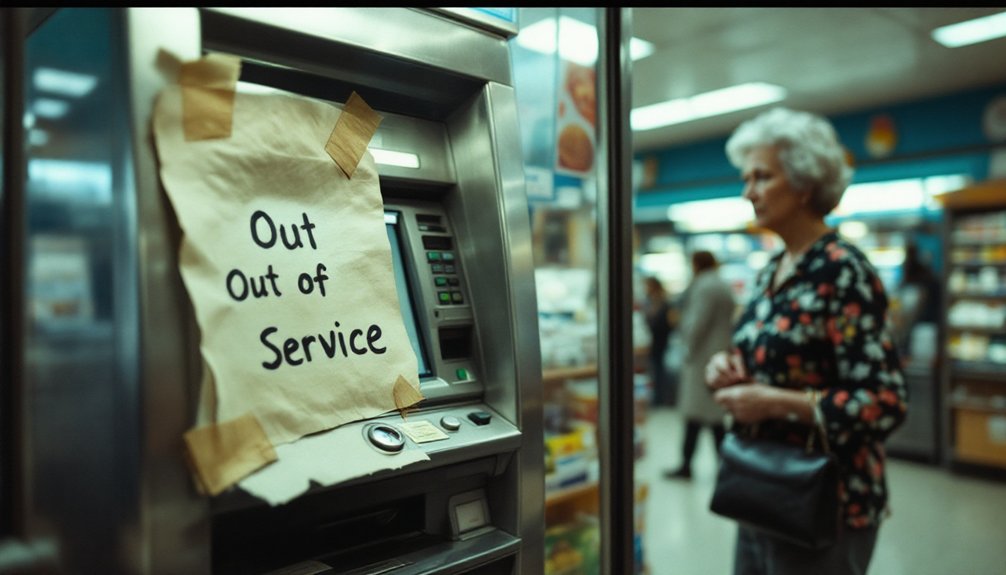

Albuquerque just pulled the plug on crypto ATMs. The city council passed O-26-49, the “Virtual Currency Ordinance,” and it does exactly what it sounds like. No more installing, operating, hosting, or facilitating crypto ATM transactions inside city limits. That includes Bitcoin, Ethereum, stablecoins — all of it. Even cashier-assisted crypto transactions through a clerk or intermediary are done.
The ordinance hits everyone in the chain. Property owners, landlords, retailers, tenants, business operators — if a crypto ATM sits on your property, that’s your problem now. Existing machines have 45 days from the effective date to be physically removed. The city said it will notify known operators and retail hosts directly.
Everyone in the chain is on the hook — property owners, landlords, retailers, tenants. You host it, you own the problem.
Miss the deadline? Daily fines start stacking up. Business licenses can be revoked. The city can also go to court to force compliance. So yeah, they’re serious.
The reasoning behind the ban is pretty straightforward. City leaders framed this as a consumer protection and public safety issue. Officials said these machines are disproportionately tied to scams, high fees, and criminal activity. One councilor repeated a claim that roughly 90% of crypto ATM activity in Albuquerque involves fraud. The ordinance was sponsored by Councilors Stephanie Telles and Tammy Fiebelkorn, who pushed for the ban as an urgent measure to protect residents from ongoing exploitation.
Whether that number holds up to scrutiny or not, the broader scam data is genuinely alarming. KOAT reported 109 crypto ATM scams statewide in New Mexico in 2025, with losses around $2.2 million. CryptoBriefing reported total New Mexico crypto-related fraud losses hitting $86.6 million in 2025, with $55.8 million of that tied to elderly victims. The ordinance explicitly identifies vulnerable populations, especially older adults as a key reason the city moved to act.
The typical playbook is grim. A scammer impersonates a government official, tech support, or a romantic interest. The victim gets convinced to deposit cash into a Bitcoin ATM. Money converts to crypto instantly and disappears. Fast, irreversible, brutal. Experts consistently warn that crypto transactions are completely irreversible, meaning once funds are sent, there is no mechanism to recover them — a reality that makes ATM-based scams especially devastating.
Here’s what the ban actually doesn’t do. Albuquerque residents can still own crypto, mine it, trade it through online exchanges, and hold it in personal wallets. Nobody’s coming for your digital assets. The city is targeting a specific payment channel that keeps showing up in fraud cases, not crypto ownership itself.
Local media coverage zeroed in on the 45-day removal clock and the scam-prevention angle rather than treating this as some broad anti-crypto crusade. That framing is probably accurate. The city isn’t philosophically opposed to blockchain technology. It’s just done watching residents — especially older ones — get cleaned out at a kiosk next to a lottery ticket machine.