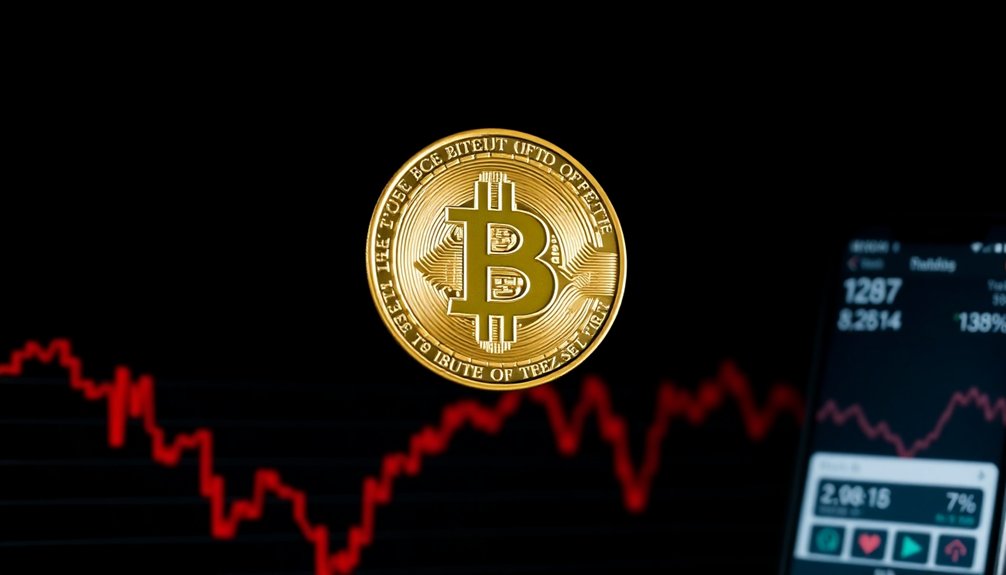

Bitcoin stumbled again this week, dropping 2.57% on January 8, 2026, to hover around $90,000. The slide marks three consecutive losing sessions, contributing to a 2.6% decline over the past month. Not great timing for crypto enthusiasts who were hoping for a strong start to 2026.
The flagship cryptocurrency now sits a whopping 28% below its October 2025 peak of $126,000. Remember when everyone was certain we’d see $150,000 by year-end? Yeah, about that. The market’s enthusiasm has clearly cooled, with the Fear & Greed Index now reading a chilly 27 – firmly in “Fear” territory.
Technical analysts are watching the $88,000-$90,000 support zone like hawks. Break below that, and things could get ugly fast. The price has been stuck in what traders call “consolidation” since mid-November – basically, it’s going nowhere interesting. Boring, sticky price action. Not crashing, not mooning. Just… there.
ETF flows tell a similar story of waning conviction. January started with $1.16 billion flowing in, but that optimism quickly reversed with $1.12 billion heading for the exits. Institutional investors seem to be getting cold feet. The first week of January saw net selling days with over 400 Bitcoins leaving the market on January 6, 7, and 8.
The month’s trading has been a rollercoaster in slow motion, with prices swinging between $84,580 and $94,500. That’s impressive volatility for a supposedly maturing asset class. Only 47% of trading days in the past month closed green – less than a coin flip’s chance of making money.
Some analysts are already warning about a potentially bearish 2026, pointing to historical January weakness as a harbinger of things to come. Others maintain this is just another “dip” in crypto’s perpetual drama. Some experts have identified a medium-term bearish target at $74,000 before Bitcoin potentially enters a reaccumulation phase.
With upside resistance clustered around $95,000-$100,000 and technical signals only 29% bullish, Bitcoin’s path forward looks challenging. Despite the current downturn, Bitcoin still maintains its market dominance of approximately 62.7% in the overall cryptocurrency market. The question isn’t whether crypto’s comeback is unraveling – it’s whether it ever truly recovered in the first place.