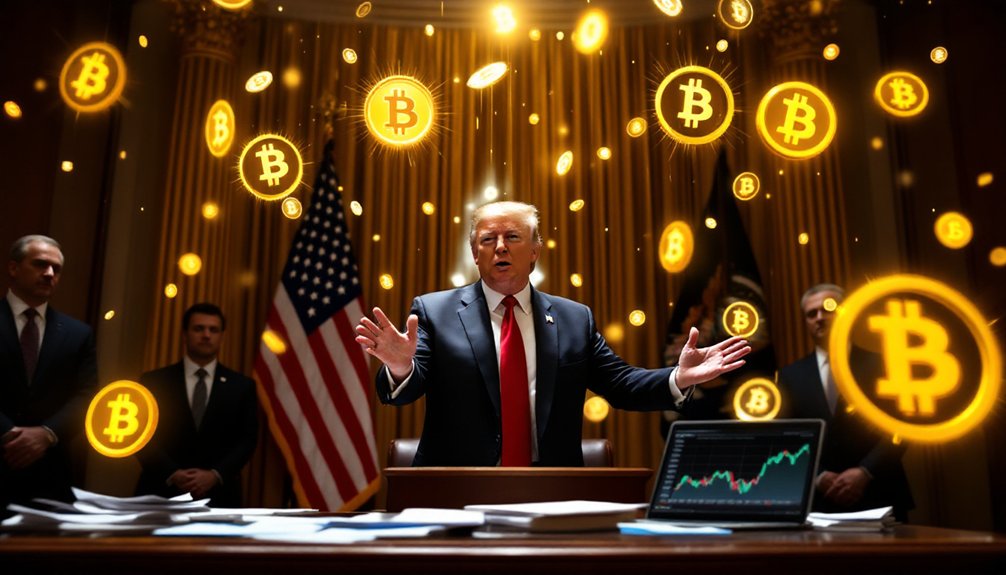

Optimism looms on the horizon for crypto markets, with banking giant JPMorgan predicting a bullish surge in the second half of 2026—if Washington gets its act together. The bank’s forecast hinges on the passage of a market structure bill, currently stalled in legislative purgatory.
Politics, not technical analysis, will drive this market. Funny how that works.
The CLARITY Act already passed the House but hit a Senate roadblock over stablecoin rewards. Traditional banks don’t want competition. Shocking, right? They fear massive deposit outflows if crypto platforms can offer 3-5% yields compared to their pitiful 0.07% savings rates.
The clock is ticking, with mid-2026 looking like a make-or-break deadline for meaningful market impact.
We’ve seen this movie before. When spot Bitcoin ETFs finally launched in 2024, tens of billions flowed in. Barriers down, money in. Simple. This legislation would take that effect and multiply it across tokenization, custody services, and trading infrastructure.
The crypto market stabilized after late-2025’s downturn, setting the stage for the next leap.
Regulatory clarity means an end to the SEC’s favorite game: regulation by enforcement. No more guessing games for exchanges, token issuers, and custodians. Real rules instead of surprise lawsuits. What a concept!
Institutional money is the big prize. Trillions sit on Wall Street’s sidelines, waiting for green lights. Asset management giants like BlackRock can’t fully commit under the current patchwork system. They need certainty.
The payoff could be massive—a potential $5 trillion influx over time and market caps surging beyond $4 trillion. Better infrastructure means deeper liquidity, reduced volatility from whale movements, and improved price discovery.
Users would benefit from protected custody services and transparent exchange fees. The legislation would mandate segregation of funds to ensure customer deposits remain separate from exchange operating capital.
For average folks, this means easier access to crypto alongside traditional savings accounts. Investors with clear investment goals will be better positioned to navigate this evolving landscape while minimizing emotional reactions to market swings. But everything depends on Washington resolving that stablecoin rewards standoff. The tension escalated dramatically when Coinbase CEO Brian Armstrong withdrew his support for a previous version of the bill.
Politicians determining market futures—what could possibly go wrong?