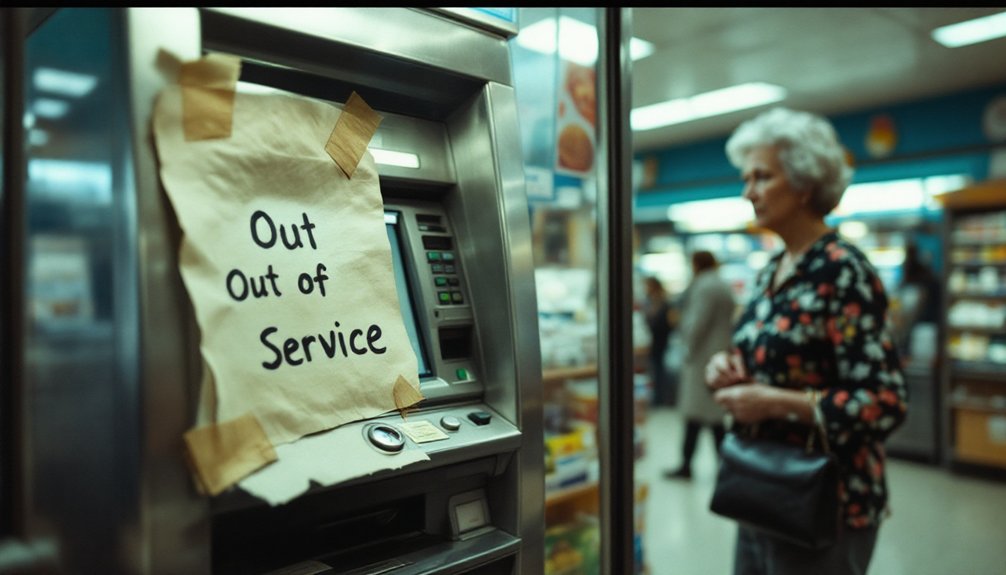

Bithumb, South Korea’s second-largest crypto exchange, is shelling out $68 million after a colossal screw-up credited users with phantom bitcoins worth $40 billion. Talk about a typo for the history books.
One misplaced keystroke, $40 billion in phantom crypto, and a textbook example of how not to run an exchange.
The blunder happened February 6, 2026, during what should have been a routine promotional event. Instead, some poor employee typed “bitcoin” instead of “won” as the currency unit. Oops. This little mistake gave 695 lucky users 2,000 BTC each (worth millions) instead of 2,000 KRW (worth about $1.40). Math isn’t their strong suit, apparently.
The phantom bitcoins represented more than 12 times Bithumb‘s actual holdings. For a brief, glorious moment, the exchange was circulating 660,000 bitcoins internally — roughly 3% of Bitcoin’s entire supply. The exchange’s flawed internal controls allowed the erroneous transactions to be processed without proper verification measures. If that sounds insane, that’s because it is.
Users who suddenly found themselves Bitcoin-rich did exactly what you’d expect. They sold. Fast. This triggered a 17% price crash on the platform and caused $1.1 billion in liquidations from leveraged positions. The incident sparked global market concern similar to the recent $44 billion Bitcoin error at another major exchange. Crypto traders got wrecked, as they often do.
Bithumb spotted the error within 35 minutes. They froze everything. Trading stopped. Withdrawals halted. The 695 temporary millionaires had their accounts restricted. The exchange managed to recover 99.7% of the phantom coins and 93% of assets sold before things completely imploded.
Now they’re throwing money at the problem. Every user on the platform at the time gets 20,000 KRW ($13.66). They’re also waiving some trading fees. The CEO has apologized profusely, promising better controls and AI systems to catch similar nonsense in the future. Analysts suggest implementing transaction validation procedures could have prevented this entire fiasco.
Regulators aren’t amused. The Financial Supervisory Service is investigating, especially since this follows Bithumb’s $20 million insider breach earlier in 2024.
No customer assets were permanently lost, but the exchange’s reputation took a beating. The incident exposed how fragile these systems really are. Billion-dollar markets running on spreadsheets that can’t tell the difference between pennies and gold bars. Classic crypto.