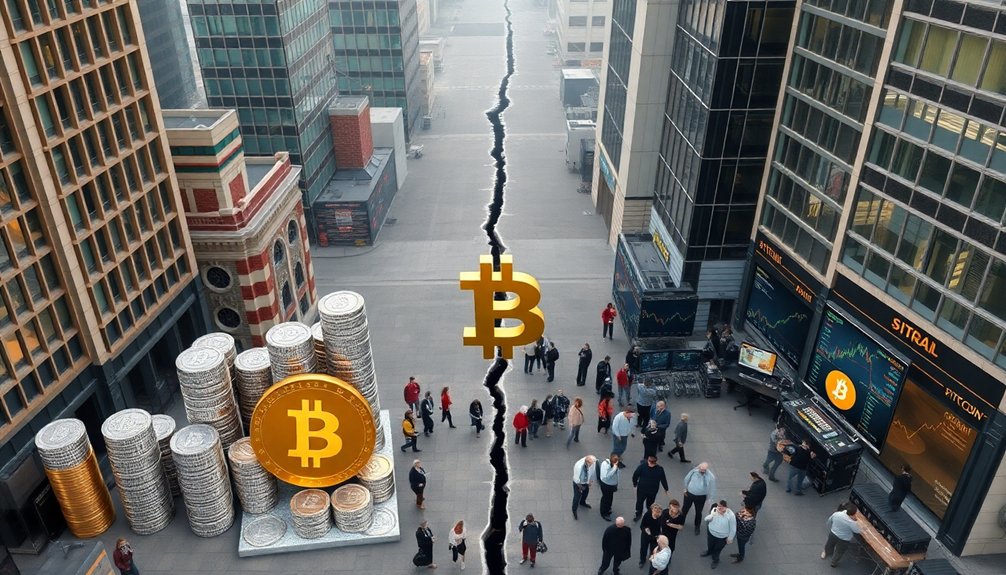
While ETF investors are licking their wounds from $7 billion in Bitcoin losses, self-custody holders are drowning in a staggering $27.89 billion of unrealized red ink. The difference? A whopping $20.89 billion more pain for the not-your-keys-not-your-coins crowd. Ouch.
Bitcoin’s recent tumble below $75,000 has left holders across the board underwater. Weekend trading saw prices crater to $74,609 amid liquidity concerns, though they’ve limped back to around $77,649. Still terrible.
Bitcoin’s nosedive has savaged investor portfolios, with prices barely clawing back to $77,649 after hitting rock bottom. Brutal.
Remember the February crash below $65,000? That alone cost the top 10 corporate treasuries over $10 billion. Multiple price floors smashed through like tissue paper.
ETF outflows tell their own brutal story. A massive $8.5 billion in redemptions coincided with the market’s nosedive, including $1.3 billion fleeing in just the last two January trading days.
After nine straight days of outflows, the 12 spot Bitcoin ETFs saw a pathetic $6.3 million trickle back in. These products now control 1.29 million Bitcoin, approximately 6.5% of all circulating supply.
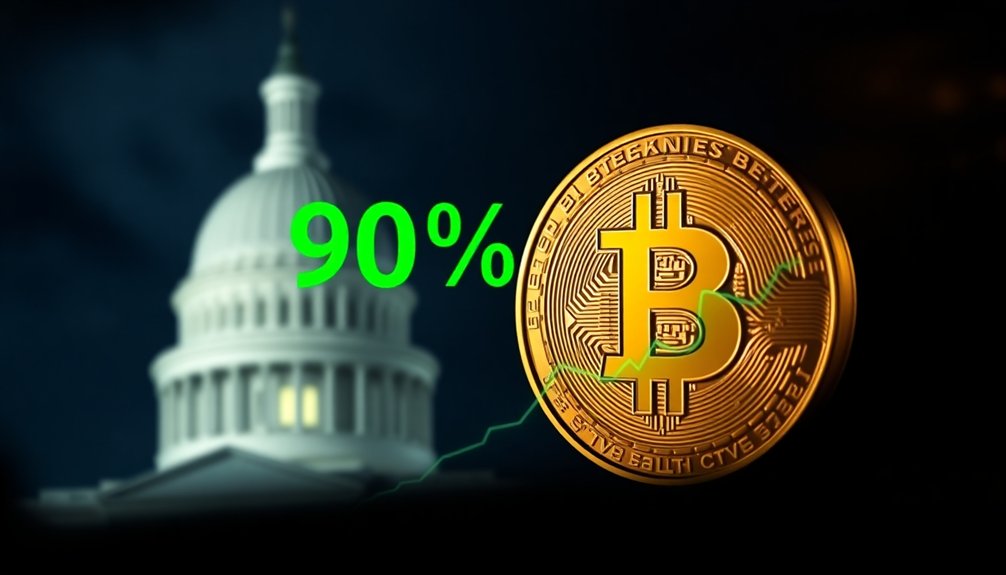
The average US ETF buyer is trapped with a $90,200 entry price – about 15% higher than current values. No wonder 62% of ETF inflows are underwater. That’s a recipe for sell-to-even behavior once prices recover enough for people to break even and bolt.
Behavioral differences between holder types are stark. ETF investors, often working with advisers, follow strict rebalancing rules. The relationship between ETF flows and Bitcoin prices has proven to be statistically significant, creating a feedback loop that amplifies market volatility.
Self-custody folks? They’re typically more battle-hardened against volatility. But they face their own demons – 16% report access issues from forgotten passwords, lost keys, or other catastrophes. These users should consider implementing multi-signature wallets to reduce the risk of losing complete access to their funds.
Hardware wallets offer better protection but cost $50-$200. And they’re still vulnerable to fires, theft, or simply being misplaced. Not exactly foolproof.
Despite everything, sentiment remains oddly resilient. Of all crypto owners, 53% claim positive returns overall, with only 21% admitting losses.
Even more surprising, 61% plan to buy more in 2026. Hope springs eternal in crypto land. Or delusion.
Meanwhile, whales have been quietly accumulating, with whale holdings increasing by approximately 200,000 BTC in just the past month.