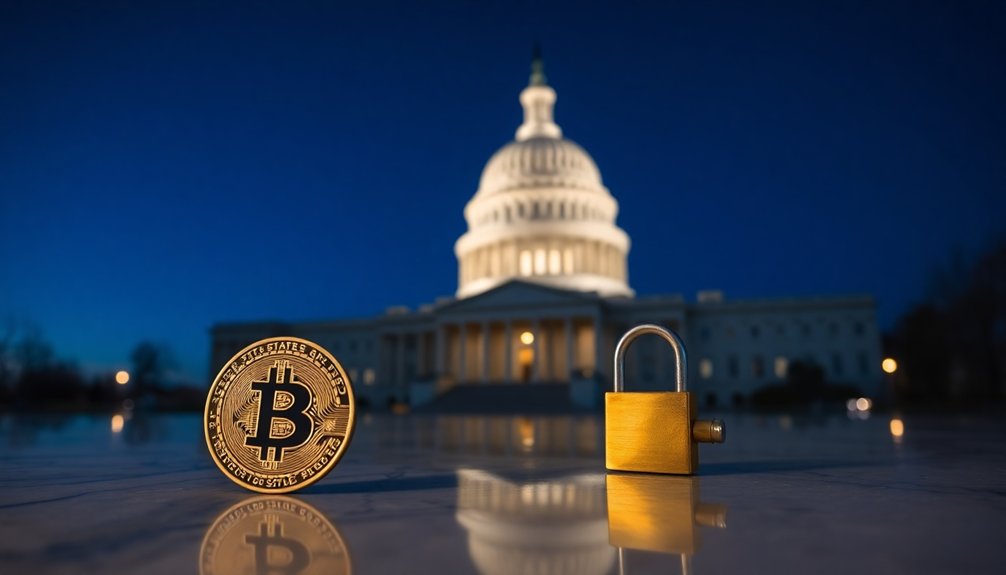

Washington finally decided to treat crypto like it might actually stick around. The Office of the Comptroller of the Currency has been handing out national trust bank charters to crypto firms at a pace that’s hard to ignore. Ripple and Circle got theirs in December 2025. Crypto.com landed conditional approval on February 23, 2026. BitGo, Paxos, Fidelity Digital Assets, and Coinbase are all in the club now too.
These charters aren’t full banking licenses. Approved firms can’t take deposits or issue loans. What they can do is provide federally supervised custody and trade settlement services across the entire United States. That’s broader reach than any state trust structure offers. For institutional clients, it finally provides a clear regulatory framework for handling digital assets. About time.
The OCC also dropped Interpretive Letter 1183, confirming that crypto-asset custody is flat-out permissible for national banks. No more asking permission before starting crypto activities. Stablecoin operations and independent node verification are also on the table now.
The SEC, meanwhile, rescinded its previous crypto safeguarding guidance and withdrew SAB 121, making custody accounting considerably less painful for firms.
This regulatory shift didn’t happen in a vacuum. Executive Order 14233 created the Strategic Bitcoin Reserve and U.S. Digital Asset Stockpile, directing Treasury to establish custodial accounts for government-held crypto. The government currently controls roughly $22 billion in digital assets.
And somehow, according to the OIG, some of it was fundamentally being tracked on spreadsheets. That’s not a joke.
The U.S. Marshals Service wants to outsource management of those assets but has no documented policies in place. The OIG has specifically warned against treating custody like a spreadsheet problem. Recommendations point toward Treasury acting as primary custodian with institutional subcontractors handling execution. Security experts consistently recommend hardware wallet solutions like Ledger or Trezor for long-term storage of significant digital asset holdings. A 2022 DOJ audit confirmed these vulnerabilities, finding significant deficiencies in USMS crypto management practices that remain largely unresolved.
Critics aren’t thrilled about Washington effectively picking winners in a still-evolving market. Handing federal charters to a select group of firms concentrates enormous power over national crypto infrastructure. Market sentiment has responded bullishly to these developments, with institutions forecasting BTC to $120,000 as regulatory clarity continues to build investor confidence.
The GENIUS Act passed the Senate, the SEC Crypto Task Force is active, and the White House Crypto Policy Council is meeting. Washington is all in now, whether the market wanted it this way or not.