
Thousands of Bitcoin miners across Malaysia are feeling the heat—literally and figuratively—as authorities crack down on a massive electricity theft operation. The scope is mind-boggling: approximately $1 billion worth of stolen electricity as of late 2025, with a staggering 14,000 unauthorized mining rigs identified. Not exactly pocket change.
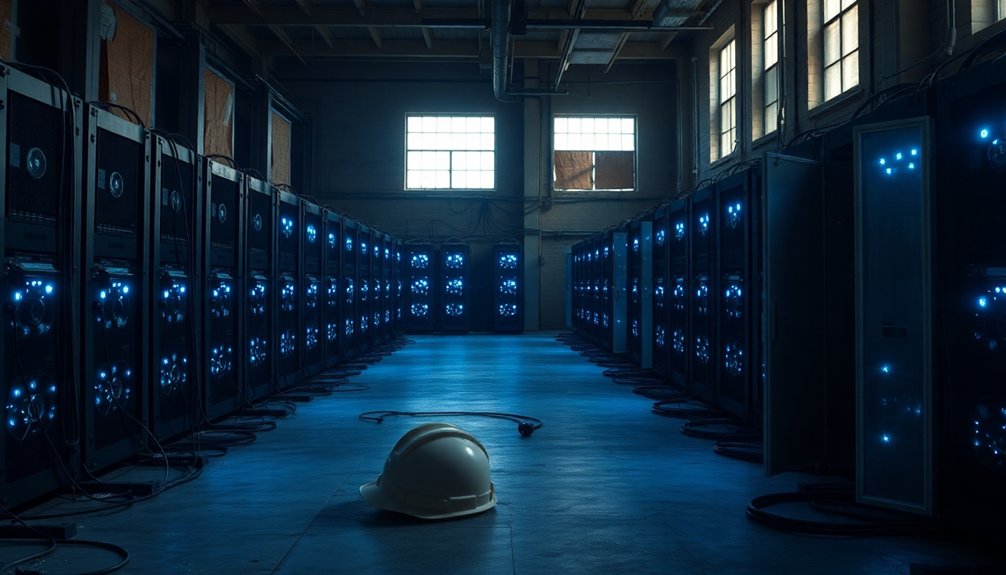
These crypto enthusiasts aren’t just setting up shop in basements. They’re operating out of abandoned houses, commercial spaces, even regular-looking shops. Their method? Simple theft—tapping directly into the electrical grid to power their energy-guzzling operations. Pretty brazen.
Malaysian authorities aren’t playing around anymore. They’ve deployed drones to spot unusual heat signatures from mining equipment. Ground teams use handheld sensors to detect irregular power consumption patterns. It’s like something out of a tech thriller, except it’s happening right now across Malaysia.
The miners got creative too. Some tried masking the telltale hum of mining equipment with recordings of bird calls. Yes, bird calls. Didn’t work. Locals still reported suspicious noises and activities, triggering investigations.
In a truly desperate move, miners attempted to hide the crypto cacophony behind chirping bird recordings. Nice try.
Law enforcement describes their work as a “cat-and-mouse game.” When miners adapt, so do the authorities. Special task forces combining aerial surveillance with ground operations have executed raids on suspected mining locations. They find the rigs, they shut them down. Next.
The impact goes beyond the shocking billion-dollar price tag. This massive power siphoning strains the national grid, potentially causing instability for legitimate consumers. The escalating problem severity has prompted unprecedented cooperation between utility companies and law enforcement agencies. The theft is equivalent to providing a year’s electricity to approximately 373,000 households. Everyone pays for these crypto cowboys—utility companies, taxpayers, regular folks who just want reliable electricity.
In response, the Malaysian government is strengthening regulations specifically targeting cryptocurrency mining. Heavier penalties are coming. More monitoring. More enforcement. Many of these operations mine Bitcoin, which operates on a blockchain technology that requires significant computational power and electricity consumption.
Meanwhile, the hunt continues. Those drones keep flying, sensors keep scanning, and miners keep sweating. A billion dollars worth of stolen electricity tends to get people’s attention. Especially government people with badges and the authority to shut you down.