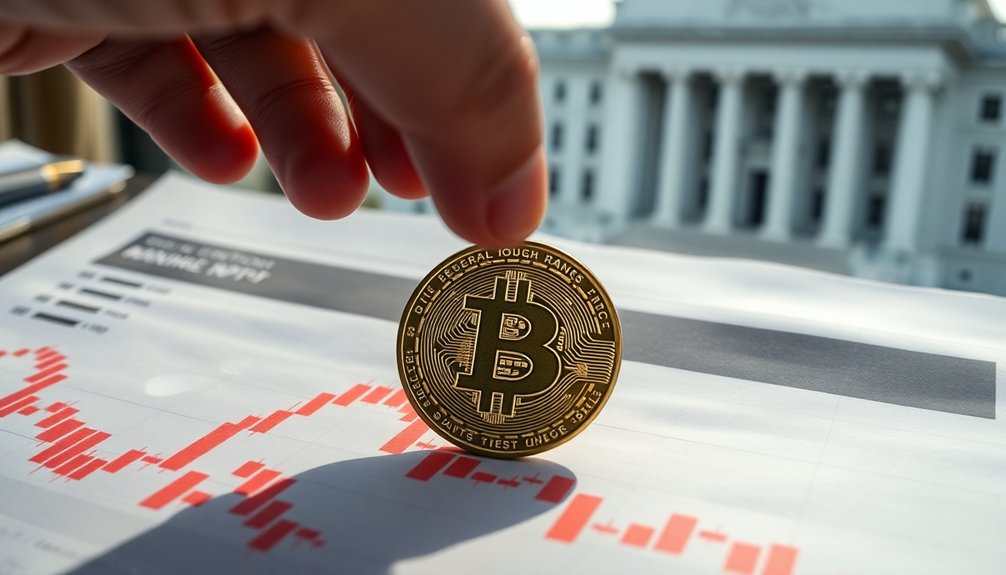

While crypto enthusiasts hoped for a strong finish to 2025, Bitcoin has instead delivered its longest losing streak since early 2024, bleeding value for multiple consecutive trading sessions. The original cryptocurrency has racked up four straight weeks of losses—the worst run since June 2024. Prices have tanked from around $80,000 in mid-October to below $70,000 by late November. That’s a 12% haircut in weeks. Ouch.
The quarterly numbers look even worse. Bitcoin’s down about 24.43% in Q4, making this the worst quarterly performance since the crypto winter of 2018. Monthly losses have reached 23%—steepest since June 2022. Not exactly the “to the moon” scenario Bitcoin bros were banking on. The current price sits at $87,400, showing slight improvement after recent lows.
Technically speaking, things are getting interesting. Bitcoin’s testing its 100-week EMA for the first time since October 2023. This level has historically marked major turning points. The RSI’s dipped into oversold territory around 35, suggesting the selling might be overdone. Meanwhile, futures liquidations topped $1 billion. Traders got wrecked. Investors who implemented tiered stop-loss orders could have protected themselves against these severe market downturns.
What’s behind all this doom and gloom? The Fed, obviously. Markets are repricing expectations around monetary policy. The probability of a December rate cut jumped from 40% to nearly 70%. Traders are also eyeing December 1, when quantitative tightening is set to end, and December 10 for key interest rate decisions.
Previous Fed tightening drained liquidity from financial markets, hammering risk assets like crypto. Market sentiment is a mess right now. Some analysts are warning about a potential “bull trap” where prices might bounce temporarily before sliding back into the $70,000 range. ETF outflows continue, showing weak institutional demand. Fear indexes have spiked. On the bright side, large holders have shown confidence with whale accumulation adding over 10,000 BTC to their wallets during this downtrend.